🧬 Category VII — Hybrid & Engineered Beings
The hybrid being category encompasses entities alleged to be products of deliberate genetic manipulation combining human and non-human biological material, or beings engineered from scratch by an advanced intelligence. This is among the most controversial areas in the abduction research literature, as its implications — an ongoing programme of unauthorised reproductive experimentation on humans — are deeply disturbing and have been challenged both from sceptical positions (psychological and cultural origin of the accounts) and from within the research community (methodological concerns about hypnotic regression validity).
The hybrid typology is not monolithic. Researchers, experiencers, and contactee sources describe multiple distinct hybrid programmes, lineages, and categories — each with a different alleged origin, purpose, morphological profile, and relationship to humanity. The seven primary categories documented in the research literature are presented below, each with its own dedicated sub-page covering origin accounts, physical description, behavioral profile, and cross-source consistency analysis.
The Hybridisation Programme: Research Foundation
Budd Hopkins (1931–2011), a New York abstract expressionist artist, became one of the most significant abduction researchers after his own unexplained 1964 sighting prompted him to investigate. His book Missing Time (1981) was the first systematic study of the missing time phenomenon in abduction cases, drawing on hypnotic regression sessions conducted with a clinical psychologist. Intruders (1987) introduced the hybridisation theme: multiple unconnected witnesses, regressed independently, described being subjected to reproductive procedures — ova extraction, sperm collection, implantation of fetuses — and being subsequently shown hybrid children and asked to nurture them emotionally.
Debbie Jordan-Kauble (pseudonym "Kathie Davis" in Hopkins's work) was the primary case subject in Intruders. Her account — drawn from multiple regression sessions over several years — described the complete arc: initial contact as a child, ongoing reproductive procedures through adulthood, and eventual presentation of hybrid children. The case was dramatised in a 1992 CBS miniseries. Jordan-Kauble has maintained the authenticity of her experiences throughout subsequent decades and has continued to advocate for abduction research.
Temple University historian David Jacobs's research — published in Secret Life (1992) and The Threat (1998) — drew on over 700 regression sessions with more than 125 subjects and reached a disturbing conclusion: that the hybridisation programme is not a curiosity but a systematic long-term project aimed at producing a new species able to function in both the NHI and human worlds. Jacobs's The Threat argued that this programme represents an existential concern for human autonomy, a position that placed him outside mainstream UAP research and generated significant controversy.
Methodological Issues in Hybridisation Research
The hybridisation research literature is fundamentally dependent on hypnotic regression — a technique with well-documented problems. The psychological literature firmly establishes that hypnotic regression can produce false memories with high subjective conviction; that hypnotists can inadvertently suggest content through leading questions; and that the confidence level of hypnotically retrieved memories does not correlate with their accuracy. Critics including psychologist Elizabeth Loftus, whose work on false memory syndrome is directly relevant, and philosopher Susan Clancy (Harvard), whose Abducted (2005) examined the psychology of abductees, have argued that the hybridisation narrative is constructed rather than retrieved in regression sessions.
Defenders of the research note that: (a) some subjects produce consistent accounts under regression conducted by different therapists with no knowledge of each other's findings; (b) some accounts began with conscious memories before any regression; (c) the specific biological and procedural details described by isolated subjects show cross-case consistency that would require either extraordinary coincidence or a shared source — which, if not a common experience, would have to be a shared cultural script, though the level of technical detail exceeds what was publicly available when many accounts were produced.
The British Abduction Research Association (ABRACE) and similar bodies in the UK have worked to develop non-hypnotic research methodologies, including detailed structured interviews, psychological testing, and physiological examination, to build a research base less dependent on contested regression techniques.
Contactee-derived hybrid categories — the Sassani, Zeta Humans, and EL types in particular — emerge primarily from non-regression sources: voluntary channelled communication, direct conscious contact, and first-person testimony without hypnotic facilitation. The methodological considerations for these sources differ substantially from those applicable to regression-derived material, and are discussed within the relevant sub-pages.
Physical Description: The Generational Gradient
Across the research literature, hybrid beings are described with a gradient of characteristics: early-generation hybrids may appear almost fully Grey or non-human, with large heads, large eyes, and minimal human features; later generations are described as increasingly human-like — sometimes described as having human emotions, personality, and social capacity while retaining some non-human physical traits such as large, pale eyes, translucent skin, or hair that appears synthetic.
Researcher Yvonne Smith, a certified hypnotherapist in California and founder of CERO (Close Encounter Research Organization), has documented numerous hybrid-related accounts in which subjects describe caring for hybrid children who need human emotional input — specifically nurturing physical contact — that the non-human beings are apparently unable to provide. This reported emotional dependency of hybrid children on human contact is a recurring theme across unconnected accounts and is among the harder-to-explain consistencies if the hybridisation narrative is purely confabulated.
Across the seven hybrid categories documented here, the physical gradient varies in origin and direction: Human-Grey hybrids progress from NHI-dominant to human-dominant morphology across alleged generations; Sassani hybrids are described as a settled, stable mixed species rather than an ongoing programme; ELS/EL hybrids are alleged to represent an ancient lineage embedded within human populations; Adamic and Evadamic hybrids draw on theological-genetic frameworks describing a primordial intervention in human evolution.
Programmed Biological Entities and Designer NHIs
The concept of Programmed Biological Entities (PBEs) — beings created by an advanced intelligence specifically for task performance, analogous to domesticated animals or cloned workers — is a largely theoretical category derived from the artificial NHI framework applied to biological materials. Some abduction researchers use this designation for the short Grey beings, whose apparent uniformity, lack of individuality, and task-focus are seen as consistent with manufactured biological workers rather than evolved intelligence.
"Designer NHIs" and chimeric intelligence forms are mentioned in the research literature primarily in relation to speculative biotechnology: if a sufficiently advanced civilisation could engineer life from any biological blueprint, they could produce beings tailored to specific environmental, task, or social parameters. This remains theoretical but is directly relevant to the question of whether the variety of reported NHI types represents multiple independent species or multiple engineered variants of one or two base designs.
Documented Hybrid & Engineered Being Types
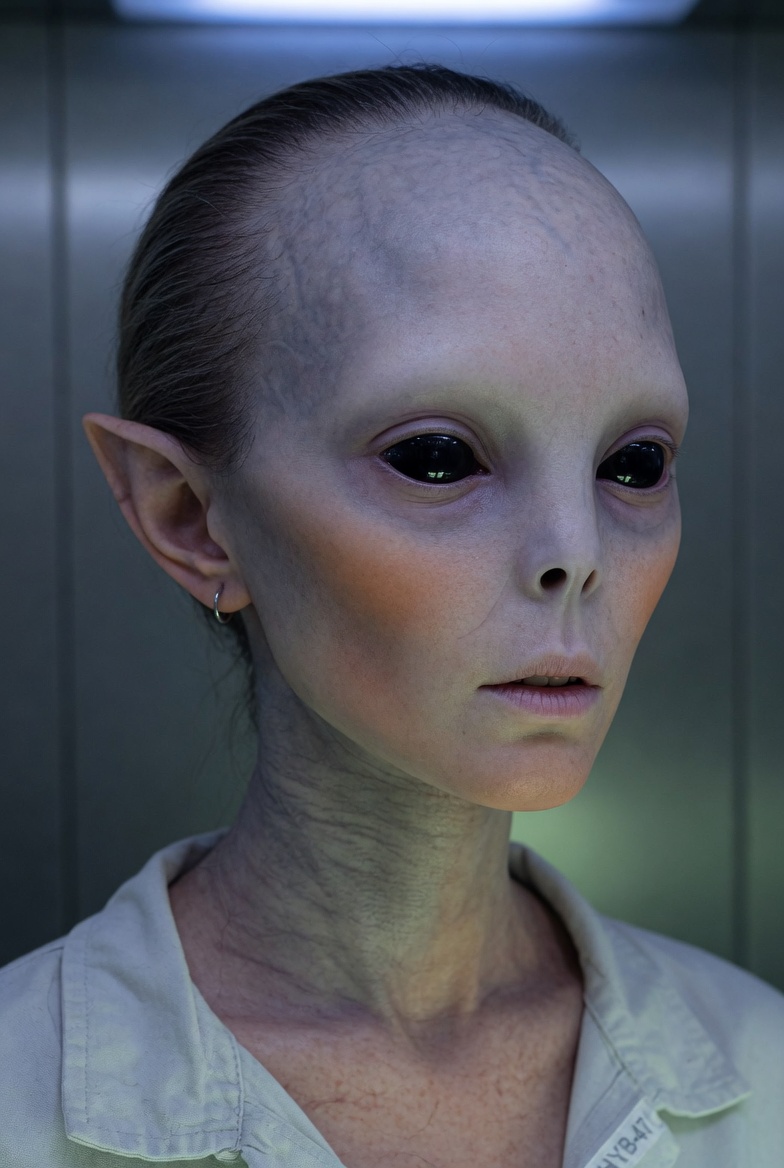
🧬 Human-Grey Hybrids
The most extensively documented hybrid category in the regression literature. Beings produced across multiple alleged generations through Grey-directed reproductive procedures involving human genetic material. Covers the generational progression from early NHI-dominant forms to late-stage beings nearly indistinguishable from humans.
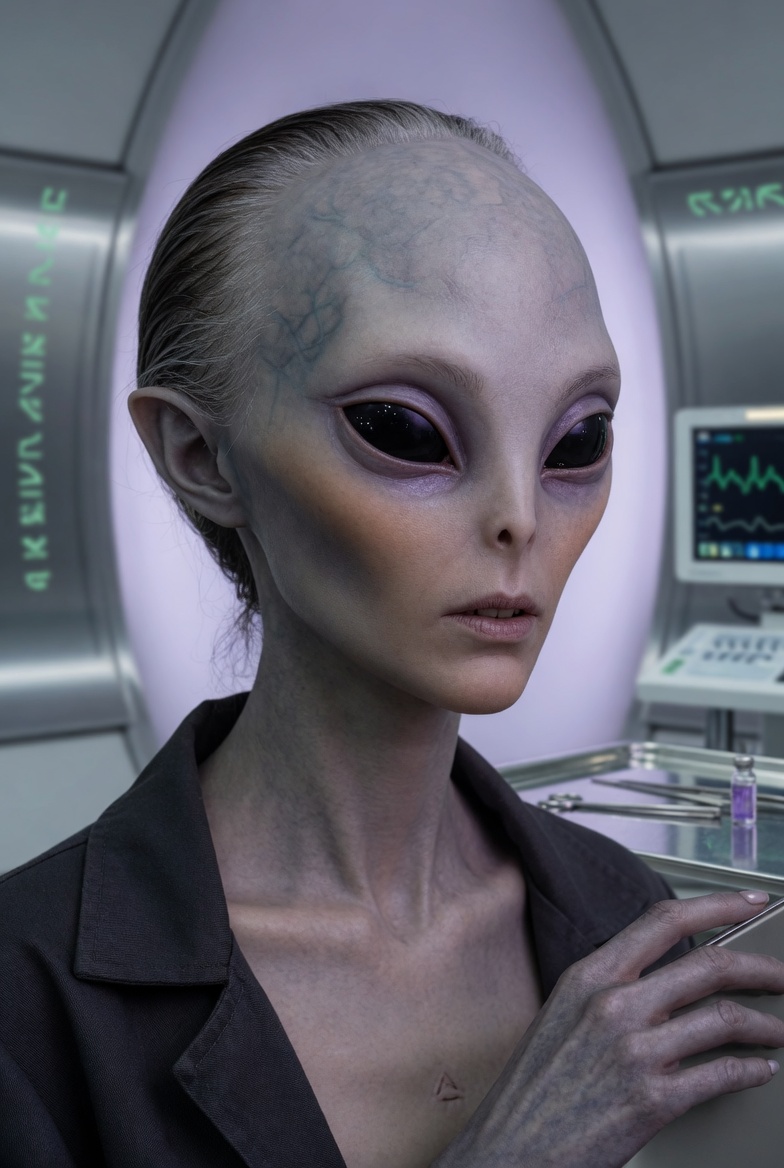
🐍 Grey-Reptilian Hybrids
A less common but consistently reported hybrid type combining Grey and Reptilian NHI characteristics. Appearing in both regression accounts and contactee literature, described as occupying specialist roles within encounter settings — often technical or enforcement functions — with a behavioral profile distinct from both parent types.

📜 Adamic / Evadamic Hybrids
Hybrid lineages described within ancient text reinterpretation frameworks — specifically the Sumerian, Akkadian, and Hebrew traditions — as products of primordial genetic intervention in proto-human populations. Associated with the Anunnaki intervention narrative and the idea that modern human DNA carries the imprint of that ancient hybridisation.

⚡ ELS / EL Hybrids
Extra-Lineage Souls and EL beings — hybrid designations appearing in specific channelled and contactee frameworks, describing beings who carry non-human soul lineage within human or near-human physical form. Associated with consciousness-transfer hybridisation rather than purely genetic intervention.

🌌 Zeta Humans
Hybrid beings described primarily in the Zeta Reticuli contact tradition as a late-stage or stabilised product of the Grey-human hybridisation programme. Physically indistinguishable from humans in most accounts, but carrying a blended consciousness and genetic heritage. Sometimes described as already integrated within human society.
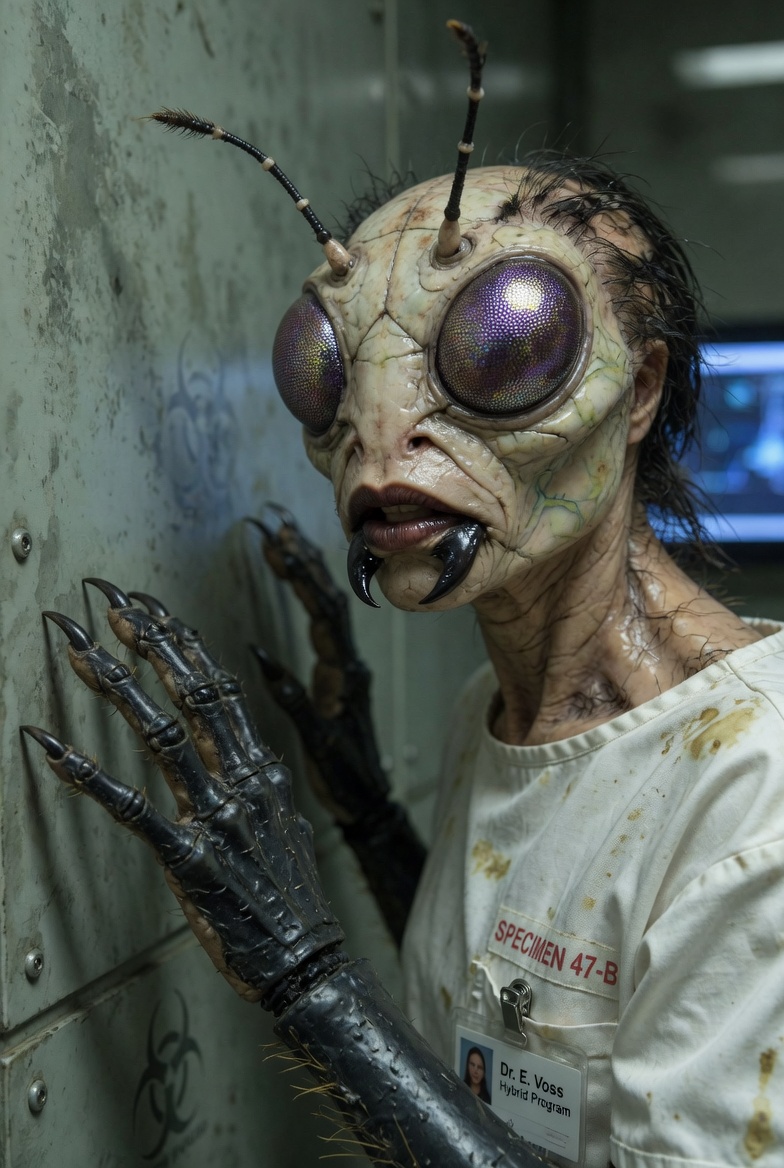
🔬 Hu-Brids
A specific hybrid designation in the abduction research literature — coined by researcher David Jacobs — for late-stage hybrids engineered to pass as fully human in social environments. Distinguished from Zeta Humans by their alleged active integration programme: Hu-brids are described as being placed within human society as part of a planned transition.

✨ Sassani
A hybrid species described extensively through the Bashar channelling tradition as a settled civilisation of Grey-human origin, living approximately 300 years in the future in a parallel probability track. Distinct from the hybridisation programme model: the Sassani describe themselves as a completed, stable, culturally rich civilisation rather than an ongoing experimental product.
This page presents documented research and reported phenomena. No claims about validity or mechanism are made by this archive. Hypnotic regression accounts require particular interpretive caution and are presented here as phenomenological data rather than literal records. Channelled and contactee material is presented as reported testimony.